Liquefied Natural Gas (LNG) plays an important role in modern energy transportation, vehicle fueling, and industrial gas supply. By cooling natural gas to approximately -162°C, it becomes a liquid that occupies significantly less volume than its gaseous form, making storage and transportation more efficient.
LNG Stations are designed to receive, store, transfer, and dispense liquefied natural gas or convert it back into gas for downstream applications. Depending on the project requirements, an LNG station may serve heavy-duty vehicles, industrial facilities, commercial gas networks, or remote areas without direct access to natural gas pipelines.
Understanding how LNG stations operate helps investors, EPC contractors, and equipment distributors evaluate station configurations, equipment requirements, operating processes, and safety considerations before starting a project.
What Are LNG Stations and What Are Their Main Components?
What Is an LNG Station?
An LNG station is an integrated facility designed to handle liquefied natural gas from delivery to final use. Its primary functions include LNG unloading, cryogenic storage, liquid transfer, pressure regulation, vehicle refueling, and regasification.
The specific equipment and operating procedures depend on the station's intended application. For example, a vehicle refueling station focuses on dispensing LNG into vehicle fuel tanks, while an LNG storage and regasification station converts liquid natural gas into gaseous fuel for industrial or pipeline supply.
Main Types of LNG Stations
Different LNG projects require different station configurations. The most common types include:
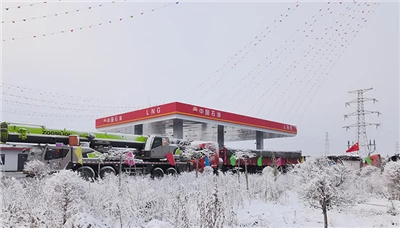
LNG Vehicle Refueling Stations: These stations store and dispense LNG for heavy-duty trucks, buses, and other LNG-powered vehicles. They are commonly installed along highways, at logistics centers, and near fleet operating facilities.
LNG Storage and Regasification Stations: These facilities receive and store LNG before converting it into natural gas for industrial consumption, commercial applications, or pipeline distribution.
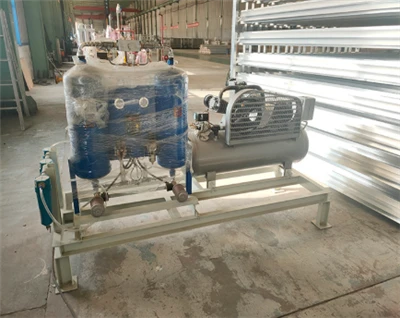
Mobile LNG Stations: Designed for flexible deployment, mobile stations integrate storage and dispensing equipment into transportable units. They are suitable for temporary projects, remote locations, and areas with limited infrastructure.
L-CNG Stations: These stations use LNG as the feedstock, pressurize it in liquid form, and vaporize it to produce compressed natural gas for vehicle refueling.
Key Equipment in an LNG Station
Although equipment configurations vary, most LNG Stations contain several essential systems.
Equipment Main Function
|
Equipment |
Main Function |
|
LNG Cryogenic Storage Tank |
Stores LNG at extremely low temperatures |
|
LNG Unloading System |
Transfers LNG from tanker trucks into storage tanks |
|
LNG Pumps |
Transfer LNG and provide the required pressure |
|
LNG Vaporizers |
Convert liquid LNG into natural gas |
|
LNG Dispensers |
Measure and dispense LNG into vehicle fuel tanks |
|
Pressure Regulation System |
Controls gas pressure for downstream applications |
|
Control System |
Monitors operating parameters and equipment status |
|
Safety Protection System |
Provides alarms, emergency shutdown, and protective functions |
These components work together to ensure that LNG can be received, stored, processed, and delivered according to the station's operating requirements.
How Do LNG Stations Work? Step-by-Step Operating Process
The operating process of an LNG station generally involves five main stages: receiving, storage, transfer, dispensing or regasification, and system monitoring.
Step 1: LNG Receiving and Unloading
The process begins when LNG is delivered to the station by specialized cryogenic tanker trucks or other LNG transportation systems.
After the delivery vehicle arrives, operators connect its unloading lines to the station's LNG receiving system. The transfer process uses the designated unloading equipment and pressure-management arrangements to move LNG into the storage tank.
During unloading, several operating conditions require attention:
Pressure differences between the delivery vehicle and storage tank.
LNG temperature and transfer conditions.
Pipeline and valve connection integrity.
Tank liquid level and available storage capacity.
Pressure changes during the transfer process.
Proper unloading procedures help reduce operational risks and ensure a stable supply of LNG for subsequent station operations.
Step 2: Cryogenic LNG Storage
After unloading, LNG enters an insulated cryogenic storage tank, where it is maintained at a sufficiently low temperature to remain in liquid form.
Because LNG is stored at approximately -162°C under conditions appropriate to the tank design, specialized insulation and cryogenic-compatible materials are essential.
The storage system generally includes:
Cryogenic storage tanks with thermal insulation.
Liquid-level measurement instruments.
Pressure and temperature monitoring devices.
Safety valves and pressure protection equipment.
Boil-off gas management arrangements.
Boil-off gas (BOG) is generated when heat enters the storage system and causes a portion of the LNG to evaporate. Managing this gas is important for controlling tank pressure and maintaining stable operating conditions.
The required storage capacity depends on LNG consumption, delivery frequency, transportation arrangements, and the station's expected operating demand.
Step 3: LNG Transfer and Pressurization
When LNG is needed for vehicle refueling or gas supply, pumps transfer it from the storage tank to the relevant downstream equipment.
LNG pumps are important because they provide the flow and pressure required by different station processes.
The transfer requirements depend on the final application:
For vehicle refueling, LNG is delivered to the dispensing system under the required operating conditions.
For storage and regasification stations, LNG may first be pressurized before entering the vaporization system.
For L-CNG stations, LNG is pressurized in liquid form before being converted into high-pressure gas.
Pump selection should consider flow rate, operating pressure, LNG temperature, equipment compatibility, and the station's expected demand.
Step 4: LNG Dispensing or Regasification
After transfer and pressurization, LNG follows different processing routes depending on the station's purpose.
Route A: LNG Vehicle Refueling
In an LNG vehicle refueling station, LNG is delivered through cryogenic pipelines to the dispensing equipment.
The typical refueling process includes:
The vehicle is positioned in the designated refueling area.
The operator connects the LNG dispenser to the vehicle's filling connection.
The dispensing system transfers LNG into the vehicle's cryogenic fuel tank.
The dispenser measures the quantity delivered.
After filling is completed, the operator disconnects the filling equipment according to the operating procedure.
LNG dispensers are designed to handle low-temperature liquid fuel and provide controlled filling and measurement functions.
Route B: LNG Regasification and Gas Supply
For industrial gas supply and pipeline applications, LNG must be converted back into its gaseous state.
The process generally involves:
LNG is transferred from the storage tank to the pressurization system.
Pumps provide the required liquid pressure.
LNG enters the vaporizer.
Heat is supplied through ambient air, water, or another suitable heat source.
LNG changes from liquid into gaseous natural gas.
The gas passes through pressure regulation and metering equipment before entering the downstream supply system.
Vaporizer selection depends on gas demand, required outlet conditions, ambient temperature, and the characteristics of the downstream application.
Step 5: System Monitoring and Shutdown
Throughout station operation, the control system monitors key parameters, including:
LNG storage tank pressure and liquid level.
Pipeline pressure and temperature.
Pump operating conditions.
Vaporizer performance.
Dispenser operating status.
Gas detection and safety alarm signals.
Automated control systems help operators identify abnormal conditions and manage equipment operation.
Emergency shutdown (ESD) systems provide protective functions when specified hazardous conditions occur. During planned shutdowns, operators follow established procedures to stop equipment, isolate relevant sections, and prepare the system for inspection or maintenance.
Different LNG Station Configurations and Their Applications
Not all LNG stations operate in the same way. Their equipment combinations depend on the intended application, LNG supply method, required capacity, and site conditions.
LNG Vehicle Refueling Station
An LNG vehicle refueling station is primarily designed to supply LNG to heavy-duty vehicles.
Its typical configuration includes:
LNG unloading system.
Cryogenic storage tank.
LNG pump system.
Cryogenic pipelines and valves.
LNG dispensing equipment.
Control and safety systems.
The operating process follows the sequence of tanker unloading, cryogenic storage, liquid transfer, and vehicle refueling.
These stations are commonly used by logistics companies, long-distance trucking fleets, bus operators, and commercial transportation networks.
LNG Storage and Regasification Station
An LNG storage and regasification station is designed to receive LNG and convert it into natural gas for downstream consumption.
Its main equipment generally includes:
LNG unloading facilities.
Cryogenic storage tanks.
LNG transfer and pressurization pumps.
LNG vaporizers.
Pressure regulation equipment.
Gas metering and control systems.
Compared with vehicle refueling stations, these facilities place greater emphasis on vaporization capacity, outlet gas conditions, and continuous downstream supply.
Typical applications include industrial factories, commercial gas supply projects, distributed energy systems, and areas without direct pipeline access.
Mobile and Skid-Mounted LNG Stations
Mobile and skid-mounted LNG stations integrate major equipment into transportable or modular structures.
Depending on the design, an integrated system may include storage tanks, pumps, pipelines, dispensers, control panels, and supporting equipment.
Their main characteristics include:
Modular equipment arrangement.
Reduced dependence on permanent site infrastructure.
Flexible transportation and installation.
Suitability for remote or temporary applications.
Potential for phased project deployment.
However, the final configuration must account for transportation restrictions, installation conditions, LNG supply arrangements, and local safety requirements.
How to Choose the Right LNG Station Configuration
Selecting an appropriate LNG station requires evaluating several project factors.
|
Selection Factor |
Key Considerations |
|
Project Application |
Vehicle refueling, industrial gas supply, or peak-shaving |
|
LNG Consumption |
Daily demand and expected operating hours |
|
Storage Capacity |
Required storage volume and delivery frequency |
|
Equipment Capacity |
Pump flow rate, vaporization capacity, and dispensing requirements |
|
LNG Supply Method |
Tanker delivery or other available supply arrangements |
|
Site Conditions |
Available land, climate, installation space, and infrastructure |
|
Automation |
Monitoring, control, and remote operation requirements |
|
Safety Compliance |
Applicable local codes and technical standards |
A suitable configuration should balance equipment capacity, operating efficiency, installation requirements, and long-term maintenance considerations.
Key Safety and Maintenance Considerations in LNG Station Operations
Because LNG is stored and handled at extremely low temperatures, station safety depends on appropriate equipment selection, system design, operating procedures, and regular maintenance.
Cryogenic Temperature and Pressure Management
LNG's extremely low temperature requires specialized storage tanks, pipelines, valves, pumps, and connections.
Equipment exposed to LNG must use materials suitable for cryogenic service. Thermal insulation also helps reduce heat transfer into the storage system.
Operators should pay particular attention to:
Storage tank pressure and liquid-level changes.
Insulation condition and abnormal heat ingress.
Pipeline pressure and temperature.
Boil-off gas generation and management.
Pressure relief devices and associated protection systems.
These measures help maintain stable operating conditions and reduce the risk of equipment damage.
Leak Detection and Emergency Protection
LNG station safety systems are designed to detect abnormal conditions and provide appropriate protective responses.
Common safety provisions include:
Gas detection systems.
Fire detection and alarm equipment.
Emergency shutdown systems.
Pressure relief devices.
Suitable hazardous-area electrical equipment.
Emergency isolation valves.
Station layout should also consider ventilation, equipment separation, emergency access, and the potential behavior of released natural gas under different environmental conditions.
All safety arrangements should follow applicable national regulations, industry standards, and project-specific engineering requirements.
Routine Equipment Inspection and Maintenance
Regular inspection helps maintain equipment reliability and reduce unexpected downtime.
Typical maintenance activities include:
|
Equipment |
Inspection and Maintenance Focus |
|
Cryogenic Storage Tanks |
Pressure instruments, insulation condition, valves, and safety devices |
|
LNG Pumps |
Operating pressure, vibration, leakage, and mechanical condition |
|
Pipelines and Valves |
Connection integrity, valve operation, and abnormal leakage |
|
LNG Vaporizers |
Heat exchange performance, temperature, and operating condition |
|
LNG Dispensers |
Filling connections, measurement functions, and control systems |
|
Electrical and Control Systems |
Instrument signals, alarms, interlocks, and emergency shutdown functions |
Inspection frequency should be determined according to equipment manufacturers' recommendations, operating conditions, applicable regulations, and maintenance plans.
Conclusion: Understanding LNG Station Operations for Better Project Planning
LNG stations involve several interconnected processes, including LNG receiving, cryogenic storage, liquid transfer, dispensing, and regasification. Each stage requires suitable equipment and coordinated control to ensure reliable station operation.
Different applications also require different configurations. Vehicle refueling stations focus on LNG dispensing, while industrial gas supply stations place greater emphasis on vaporization and downstream pressure regulation. Mobile and skid-mounted solutions provide additional flexibility for projects with specific installation or transportation requirements.
For investors, EPC contractors, and equipment distributors, understanding these operating processes is an important step toward selecting the right station configuration, storage capacity, pumps, vaporizers, dispensers, and safety systems.
Qingdao Lenado Intelligent Equipment Co., Ltd. provides LNG station equipment and integrated solutions for different project applications. Explore its LNG Stations product range to learn more about available equipment configurations for LNG storage, refueling, and gas supply projects.