CNG Daughter Station vs. CNG Mother Station: What Are the Differences?
CNG mother stations and CNG daughter stations are two important parts of a compressed natural gas (CNG) supply network, especially in areas without direct access to natural gas pipelines. Although both stations support CNG distribution, they serve different functions in the gas supply chain.
A CNG mother station compresses natural gas and loads it into tube trailers for transportation. A CNG daughter station receives the compressed gas from these trailers and supplies it to vehicles, industrial facilities, or other end users.
Understanding the differences between a CNG daughter station and a CNG mother station helps project developers select suitable equipment, plan transportation arrangements, and control station investment and operating costs.
What Are CNG Mother Stations and CNG Daughter Stations?
What Is a CNG Mother Station?
A CNG mother station is a natural gas compression facility that typically receives gas from a pipeline. Its main function is to compress natural gas to the required pressure and load it into CNG tube trailers.
A typical CNG mother station may include:
Natural gas inlet and filtration system
CNG compressor
Gas cooling and separation equipment
High-pressure storage cascade
Tube trailer filling equipment
Control and safety systems
After compression, the gas is stored in tube trailers and transported to locations where pipeline gas is unavailable or insufficient.
What Is a CNG Daughter Station?
A CNG daughter station is a receiving and gas supply facility that obtains compressed natural gas from tube trailers delivered by a CNG mother station.
Its main function is to unload the transported gas and supply it to end users at the required pressure and flow rate. Depending on the project configuration, the station may include:
Tube trailer unloading equipment
Gas storage cascade
Pressure regulation system
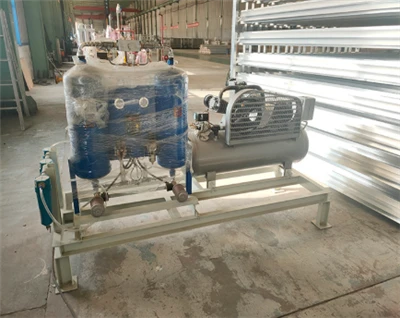
Booster compressor, when additional compression is required
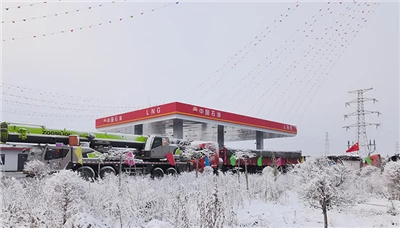
CNG dispenser or industrial gas supply equipment
Control and safety systems
Not every CNG daughter station requires a booster compressor. The need for additional compression depends on the incoming trailer pressure, required delivery pressure, and operating conditions.
Key Differences Between CNG Mother Stations and CNG Daughter Stations
Although both stations handle compressed natural gas, their roles, equipment configurations, and operating requirements are different.
|
Comparison |
CNG Mother Station |
CNG Daughter Station |
|
Main function |
Compresses natural gas and loads tube trailers |
Receives and supplies transported CNG |
|
Typical gas source |
Natural gas pipeline |
CNG tube trailers |
|
Main process |
Gas intake, compression, storage, and trailer filling |
Trailer unloading, storage, pressure regulation, and gas supply |
|
Core equipment |
CNG compressor, cooling system, storage cascade, filling equipment |
Unloading equipment, storage cascade, regulation equipment, and dispensing or supply equipment |
|
Typical location |
Near an available natural gas pipeline |
Near end users or areas without pipeline access |
|
Transportation role |
Prepares CNG for road transportation |
Receives CNG delivered by road |
|
Main operating consideration |
Compression capacity and trailer loading efficiency |
Gas delivery capacity and continuity of supply |
Gas Source and Supply Process
The most important difference is the gas source.
A CNG mother station generally obtains natural gas from a pipeline. It compresses the gas and transfers it into tube trailers for transportation.
A CNG daughter station receives gas that has already been compressed and transported from another location. It does not normally require a direct pipeline connection to the natural gas network.
This arrangement makes it possible to supply natural gas to remote industrial facilities, vehicle refueling stations, and other locations where pipeline construction is difficult or uneconomical.
Equipment Configuration
The equipment configuration reflects each station's function.
A mother station requires compression and trailer-filling systems. Compressor capacity, inlet pressure, discharge pressure, and trailer loading requirements are important factors in equipment selection.
A daughter station focuses on unloading and gas delivery. Its configuration depends on the incoming gas pressure, required outlet pressure, peak demand, and whether the gas is used for vehicle refueling or industrial consumption.
Some daughter stations can supply gas directly through pressure regulation, while others require additional compression to maintain the required delivery pressure.
Location and Infrastructure Requirements
CNG mother stations are generally located where a reliable natural gas pipeline is available. Their site planning must account for gas inlet conditions, compressor installation, tube trailer access, and filling operations.
CNG daughter stations are usually located closer to end users. They can serve areas without pipeline infrastructure, including remote industrial sites, commercial facilities, and vehicle fleets.
This separation between gas compression and final consumption allows natural gas to reach locations beyond the existing pipeline network.
Investment and Operating Costs
The investment requirements of the two stations differ because of their equipment and infrastructure needs.
A mother station typically requires investment in pipeline connections, compressors, cooling systems, storage facilities, and trailer-filling equipment. Its operating costs are influenced by compressor energy consumption, maintenance, and gas loading efficiency.
A daughter station generally requires investment in unloading equipment, storage, pressure regulation, and gas delivery systems. If additional compression is necessary, compressor purchase, energy consumption, and maintenance will also affect operating costs.
Transportation is another important cost factor in a mother-daughter station network. Trailer capacity, delivery distance, vehicle utilization, and delivery frequency all influence the overall cost of gas supply.
How Does a CNG Mother-Daughter Station System Work?
A CNG mother-daughter station system connects natural gas production or pipeline supply points with consumers located beyond the pipeline network.
The typical supply process includes four stages.
Stage 1: Natural Gas Compression
Natural gas enters the mother station through a pipeline. After the required pretreatment, it passes through the CNG compressor, where its pressure is increased to the specified filling level.
The compressed gas is then transferred to the storage and trailer-filling system.
Stage 2: Tube Trailer Filling and Transportation
The compressed natural gas is loaded into high-pressure tube trailers. Once filling is completed, the trailers are transported by road to the designated daughter station.
Transportation planning should consider delivery distance, trailer capacity, road conditions, and the gas consumption pattern of the receiving facility.
Stage 3: CNG Unloading at the Daughter Station
When a tube trailer arrives, it is connected to the daughter station's unloading system.
The gas is transferred from the trailer into the station's storage or supply system. Depending on the pressure conditions and system design, pressure regulation or additional compression may be required.
Stage 4: Gas Delivery to End Users
The daughter station supplies natural gas to the intended users.
For vehicle refueling applications, the system may include high-pressure storage and CNG dispensers. For industrial applications, it may include pressure regulation and gas supply equipment designed to meet the consumer's required operating conditions.
The overall system must be designed to match gas demand, delivery schedules, and available trailer capacity.
Typical Applications of CNG Mother Stations and Daughter Stations
The two station types serve different positions in the natural gas distribution network.
CNG Mother Station Applications
CNG mother stations are suitable for projects that have access to a natural gas pipeline and need to distribute compressed gas to other locations.
Typical applications include:
Supplying CNG to multiple daughter stations
Providing compressed natural gas for remote industrial users
Supporting regional CNG distribution networks
Supplying tube trailers for off-grid gas projects
Their compression and filling capacity should be matched to the total downstream gas demand and transportation arrangements.
CNG Daughter Station Applications
CNG daughter stations are designed for locations where natural gas must be delivered by tube trailers rather than through a direct pipeline connection.
Typical applications include:
Vehicle refueling stations in areas without pipeline access
Industrial plants requiring a stable natural gas supply
Commercial facilities using natural gas for heating or production
Remote projects with limited pipeline infrastructure
For these applications, the station configuration should reflect actual gas consumption, required delivery pressure, and the availability of incoming tube trailers.
How to Choose the Right CNG Station Configuration
Selecting between a CNG mother station and a CNG daughter station depends primarily on the project's gas source, supply requirements, and location.
Evaluate Natural Gas Availability
The first consideration is whether a natural gas pipeline is available.
If the project has access to a suitable pipeline and needs to compress gas for transportation, a CNG mother station may be appropriate.
If the project is located away from the pipeline network and can receive compressed gas by road, a CNG daughter station may be the better option.
Calculate Gas Consumption and Required Capacity
Gas consumption determines the required station capacity.
For a mother station, the design should account for downstream demand, daily trailer loading requirements, and compressor operating hours.
For a daughter station, the design should consider daily gas consumption, peak-hour demand, storage capacity, and delivery frequency.
Accurate demand calculations help avoid insufficient supply capacity or unnecessary equipment investment.
Plan Tube Trailer Transportation
Transportation is essential to the operation of a mother-daughter station network.
Project developers should evaluate:
Distance between the mother and daughter stations
Tube trailer capacity
Daily gas delivery requirements
Trailer loading and unloading time
Number of trailers needed for continuous supply
A suitable transportation plan helps maintain a stable gas supply and reduce unnecessary logistics costs.
Select Equipment Based on Operating Conditions
Equipment should be selected according to the actual operating requirements rather than using a standard configuration for every project.
For a CNG mother station, important considerations include compressor capacity, inlet pressure, discharge pressure, cooling requirements, and trailer-filling arrangements.
For a CNG daughter station, key considerations include trailer unloading capacity, incoming gas pressure, storage requirements, outlet pressure, and whether a booster compressor is necessary.
The gas supply system should also include appropriate control and safety equipment.
Work with an Experienced CNG Equipment Supplier
A suitable equipment supplier should be able to assess the project requirements and provide an appropriate system configuration.
Key considerations include the supplier's CNG compressor capabilities, equipment integration, control system design, and technical support.
The proposed configuration should clearly define the equipment scope, operating conditions, and expected gas supply capacity.
Conclusion
CNG mother stations and CNG daughter stations perform different but complementary functions in a compressed natural gas supply network. A mother station compresses pipeline natural gas and loads it into tube trailers, while a daughter station receives the transported gas and supplies it to end users.
Choosing the right configuration requires careful consideration of pipeline availability, gas consumption, delivery pressure, transportation distance, and equipment requirements. A well-matched mother-daughter station system can extend natural gas access to remote areas while supporting reliable gas distribution.
Qingdao Lenado Intelligent Equipment Co., Ltd. provides CNG station equipment and gas supply solutions for different project requirements. Explore our CNG Daughter Station solutions to learn more about equipment configurations for tube-trailer-based natural gas supply.