Access to natural gas pipelines is not available in every location, particularly in remote areas, developing regions and industrial sites far from existing gas infrastructure. For these projects, transporting compressed natural gas (CNG) by tube trailer provides an alternative way to establish a reliable gas supply.
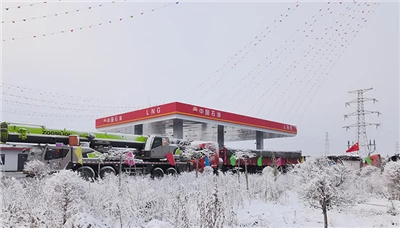
A CNG Daughter Station is a natural gas refueling facility that receives compressed natural gas from mobile storage equipment, typically CNG tube trailers, rather than directly from a local gas pipeline. It transfers the delivered gas through an unloading system and supplies it to vehicles or other suitable end users through the required pressure regulation, compression, storage and dispensing equipment.
By separating gas production and compression from the point of consumption, a CNG daughter station makes it possible to supply natural gas to locations where conventional pipeline-fed stations are difficult or uneconomical to establish.
This article explains what a CNG daughter station is, its main equipment, how the system works, where it is used and what factors should be considered when selecting a suitable configuration.
What Is a CNG Daughter Station?
Definition and Basic Concept
A CNG daughter station is a natural gas refueling facility that receives compressed natural gas transported from a separate gas compression facility, usually a CNG mother station.
At the mother station, natural gas is compressed and loaded into high-pressure tube trailers. These trailers transport the gas to the daughter station, where it is unloaded and supplied to vehicles or other designated gas consumers.
Unlike a conventional pipeline-fed CNG station, a daughter station does not require a direct connection to the local natural gas distribution network. Its gas supply depends on mobile transportation equipment and the station's receiving and dispensing capacity.
A typical CNG daughter station system consists of:
CNG tube trailers for gas transportation
Unloading columns and high-pressure connecting hoses
Gas pressure regulation equipment, where required
CNG compressors, depending on the system configuration
High-pressure gas storage cylinders or banks
CNG dispensers and metering equipment
Control and safety systems
The exact equipment arrangement depends on gas consumption, trailer delivery pressure, required dispensing pressure and the operating conditions of the project.
CNG Daughter Station vs. CNG Mother Station
CNG mother stations and daughter stations are two interconnected parts of a mobile natural gas supply system, but they perform different functions.
|
Comparison |
CNG Mother Station |
CNG Daughter Station |
|
Gas source |
Natural gas pipeline |
CNG tube trailers |
|
Main function |
Compresses and loads CNG |
Receives and supplies CNG |
|
Typical equipment |
Compressors, storage and trailer loading systems |
Unloading systems, pressure regulation, storage and dispensers |
|
Location |
Near available natural gas pipeline infrastructure |
Areas without direct pipeline access |
|
Gas transportation |
Loads CNG into mobile trailers |
Receives CNG from mobile trailers |
The mother station prepares and loads compressed natural gas, while the daughter station receives and distributes it at the destination. Together, they establish a transportation-based natural gas supply network.
When Is a CNG Daughter Station Needed?
A CNG daughter station is particularly suitable for projects where pipeline access is limited or unavailable.
Common situations include:
Remote towns and communities without natural gas pipeline connections.
Commercial vehicle depots requiring centralized CNG refueling.
Logistics and transportation facilities located away from gas distribution networks.
Industrial sites using transported natural gas as an energy source.
Projects requiring a temporary or modular gas supply solution before permanent pipeline infrastructure becomes available.
For these applications, the feasibility of a daughter station depends on the availability of CNG transportation, delivery distance, daily consumption and the required gas supply capacity.
What Equipment Is Used in a CNG Daughter Station?
A CNG daughter station integrates several equipment systems to receive, handle, regulate, store and dispense compressed natural gas. Each component has a specific function within the overall process.
CNG Tube Trailer and Gas Receiving System
The CNG tube trailer is the primary transportation equipment in a daughter station system. It contains high-pressure storage cylinders or tubes that hold compressed natural gas delivered from the mother station.
When the trailer arrives at the daughter station, it is connected to the station's unloading system through high-pressure hoses and designated connection points.
The gas receiving system typically includes:
High-pressure unloading columns
Flexible high-pressure hoses
Connection fittings and valves
Pressure monitoring instruments
Isolation and emergency shut-off devices
The receiving arrangement must match the trailer connections, operating pressure and station design to ensure controlled gas transfer.
Gas Unloading and Pressure Regulation System
The unloading system transfers CNG from the tube trailer into the station's downstream equipment.
Depending on the design, gas may flow directly into storage or pass through pressure regulation equipment before entering the next stage.
Pressure regulation is important because trailer pressure changes as gas is discharged. The downstream system must operate within its specified pressure range.
The unloading arrangement may use different connection and flow-control configurations to accommodate trailer pressure, required gas flow and operating conditions.
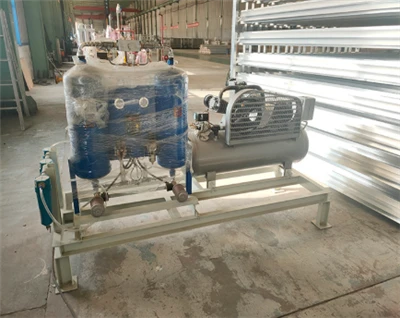
CNG Compressor and Storage System
A CNG compressor may be installed when the remaining trailer pressure is insufficient to meet the required downstream pressure or when additional compression is necessary to improve gas recovery.
Depending on the project, the compressor may be a hydraulic piston type or another suitable high-pressure compression design.
The storage system usually consists of high-pressure cylinders or storage banks. Its main functions are to:
Provide a buffer between gas delivery and vehicle refueling.
Support peak dispensing demand.
Reduce fluctuations in gas supply during operation.
Supply gas at the required pressure through the dispensing system.
Storage capacity and compressor capacity should be selected together according to daily consumption, peak demand and trailer delivery conditions.
Not every CNG daughter station requires the same compressor and storage arrangement. Some configurations can transfer gas directly from mobile storage to downstream equipment, while others require additional compression and fixed storage.
CNG Dispenser and Control System
The CNG dispenser delivers compressed natural gas to vehicle storage cylinders and measures the quantity dispensed.
Depending on the project, the station may use single-hose or multiple-hose dispensing equipment to serve different vehicle volumes and refueling requirements.
The control system coordinates the operation of the main equipment and monitors relevant operating conditions, such as pressure and equipment status.
Typical safety and control provisions include:
Pressure monitoring and protection
Emergency shutdown devices
Gas leakage detection, where specified
Equipment operating-status monitoring
Interlocks and control functions
These systems help maintain controlled operation throughout the gas receiving and dispensing process.
How Does a CNG Daughter Station Work?
The working principle of a CNG daughter station is based on transporting compressed natural gas from a mother station to a separate consumption location. The gas then passes through a series of receiving, pressure management and dispensing processes.
The typical operating process includes five steps.
Step 1: CNG Compression at the Mother Station
Natural gas is supplied to the mother station through an available pipeline connection.
After the necessary gas treatment and filtration required by the project, compressors increase the gas pressure to the specified loading pressure.
The compressed gas is then transferred into CNG tube trailers for transportation.
Step 2: Transportation by CNG Tube Trailer
Once loading is completed, the tube trailer transports the compressed natural gas to the daughter station.
The transportation arrangement depends on several factors:
Distance between the mother and daughter stations
Usable gas capacity of each trailer
Daily gas consumption at the destination
Road conditions and transportation time
Trailer replacement and delivery schedules
For projects with high or continuous gas demand, trailer scheduling and backup transportation capacity are important considerations.
Step 3: Gas Unloading at the Daughter Station
After arriving at the destination, the tube trailer is positioned in the designated unloading area and connected to the station's high-pressure gas receiving system.
The operator follows the approved connection and operating procedures before gas transfer begins.
CNG flows through the unloading connections into the station's downstream system. Depending on the configuration, it may enter fixed storage directly or pass through pressure regulation and compression equipment.
The unloading process is controlled according to the pressure limits and operating requirements of the system.
Step 4: Pressure Management, Compression and Storage
After unloading, the gas must meet the pressure requirements of the dispensing system or other end-use equipment.
If the available gas pressure is sufficient, the system may transfer it to storage or directly to the dispensing equipment, depending on the design.
If additional pressure is required, a compressor increases the gas pressure to the specified operating level.
The high-pressure storage system then provides a buffer for dispensing operations. In fast-fill applications, storage banks can help meet short-term demand that exceeds the instantaneous supply rate from the trailer or compressor.
Step 5: CNG Dispensing to Vehicles
When a vehicle arrives for refueling, the CNG dispenser connects to its onboard storage system.
Gas flows from the station's storage or supply system through the dispensing equipment and into the vehicle's cylinders.
The dispenser measures the delivered gas quantity, while the control system monitors the relevant operating conditions.
After refueling is completed, the dispenser is disconnected and the vehicle can return to service.
Typical CNG daughter station process:
Natural Gas Pipeline → CNG Compression at Mother Station → Tube Trailer Loading → CNG Transportation → Gas Unloading at Daughter Station → Pressure Regulation / Compression → Gas Storage → CNG Dispensing
Where Are CNG Daughter Stations Used?
CNG daughter stations provide a practical gas supply option for locations where direct pipeline access is unavailable or difficult to establish.
Remote Areas Without Natural Gas Pipeline Access
Remote communities and developing areas may lack the pipeline infrastructure required for conventional CNG refueling stations.
A daughter station allows compressed natural gas to be transported from an existing supply point and delivered locally. This can extend natural gas availability without requiring a new long-distance pipeline connection.
Bus Depots and Commercial Vehicle Fleets
Public transportation companies, logistics operators and commercial vehicle fleet owners may require centralized CNG refueling facilities.
A CNG daughter station can support these operations by providing a dedicated refueling point for:
City and intercity buses
Logistics and delivery vehicles
Commercial trucks
Municipal service vehicles
For fleet applications, station capacity should reflect the number of vehicles, daily mileage, refueling schedules and peak demand periods.
Industrial and Distributed Gas Supply Projects
Some industrial users are located far from natural gas distribution networks but still require gas for production or heating processes.
A CNG daughter station or an appropriately designed CNG receiving and pressure-reduction facility can provide transported natural gas to suitable industrial applications.
Potential users include manufacturing facilities, commercial heating systems and other distributed gas consumers.
The required configuration depends on the end user's gas consumption, inlet pressure, outlet pressure and process requirements.
Temporary and Modular Gas Supply Applications
CNG daughter stations can also be considered for temporary gas supply projects, remote construction sites and locations awaiting permanent pipeline infrastructure.
Modular or skid-mounted equipment can help simplify transportation, installation and site arrangement, depending on the project scope.
What Factors Should Be Considered When Selecting a CNG Daughter Station?
Selecting a suitable CNG daughter station requires more than choosing a compressor or dispenser. The entire gas supply chain, from trailer transportation to final consumption, must be considered.
Daily Gas Consumption and Required Supply Capacity
Daily gas consumption is one of the most important factors in determining station capacity.
For vehicle refueling projects, the calculation should consider:
Number of vehicles served
Average gas consumption per vehicle
Daily refueling frequency
Peak-hour refueling demand
Expected future increases in gas consumption
The station's unloading, compression, storage and dispensing capacities should be coordinated to meet both average and peak demand.
Tube Trailer Capacity and Transportation Distance
Because a daughter station relies on mobile gas delivery, transportation arrangements directly affect operating continuity.
Important considerations include:
Effective gas delivery capacity per trailer
Distance between the gas source and destination
Trailer loading and unloading time
Daily transportation frequency
Availability of spare trailers
Road access and local transportation restrictions
Longer transportation distances or higher daily consumption may require additional trailers and more detailed delivery scheduling.
Compressor and Storage Configuration
Compressor and storage selection should be based on the actual pressure and flow requirements of the project.
Key parameters include:
Trailer initial and minimum operating pressure
Required compressor inlet and outlet pressure
Compressor gas flow capacity
Storage volume and working pressure
Required dispensing pressure
Expected peak gas demand
A suitable system configuration should balance gas recovery, compression capacity and storage availability rather than simply maximizing individual equipment specifications.
Site Layout, Safety and Applicable Standards
The site layout must accommodate tube trailer access, unloading operations, equipment installation, vehicle circulation and maintenance activities.
Safety design should address high-pressure gas handling, equipment protection, emergency shutdown, gas leakage risks and the separation of relevant operating areas.
Applicable technical standards and local regulations should be considered during engineering and equipment selection. For vehicle refueling facilities, ISO 16923:2026 provides requirements covering the design, construction, operation, maintenance and inspection of CNG fueling stations, including stations with mobile storage such as daughter stations.
The final design must also comply with the applicable requirements of the project location.
Conclusion
A CNG daughter station provides an alternative natural gas supply solution for locations without direct access to pipeline infrastructure. By transporting compressed natural gas through tube trailers, it connects centralized gas compression facilities with remote refueling stations, commercial fleets and suitable distributed gas consumers.
Its operation involves several interconnected processes: CNG transportation, gas unloading, pressure regulation, optional compression, storage and final dispensing. The equipment configuration varies according to gas consumption, trailer delivery conditions, required operating pressure and site requirements.
For project investors and EPC contractors, selecting the right CNG daughter station means evaluating the entire supply system rather than focusing on individual equipment alone.
Qingdao Lenado Intelligent Equipment Co., Ltd. provides CNG station equipment and system solutions for different natural gas supply requirements. To explore equipment configurations and discuss your project needs, visit our CNG Daughter Station product page.